

Here’s a fact that surprises most people: HMRC opens around 300,000 tax investigations every year, and a fair few of them aren’t triggered by anything you’d ever expect. So, what triggers an HMRC investigation? In short, it’s a mixture of computer algorithms, human tip-offs, random selection, and patterns in your figures that simply don’t add up. If you’ve ever lain awake wondering whether that slightly-too-neat set of accounts might raise an eyebrow at HMRC, you’re not alone — and you’re asking exactly the right question.
I’ve sat across the table from enough business owners to know that the fear of an HMRC investigation often outweighs the reality. But ignorance isn’t bliss here. Understanding what triggers an HMRC investigation is the single best way to avoid one — or, if it happens anyway, to walk into it with your paperwork (and your nerves) in order.
The Algorithm That Never Sleeps: HMRC’s Connect System
Let’s start with the elephant in the room. HMRC’s Connect system is a vast data-matching tool that cross-references information from banks, Land Registry, DVLA, Companies House, online marketplaces (think eBay, Airbnb, Etsy), and even social media. It quietly compares what you’ve declared against what it knows about your lifestyle.
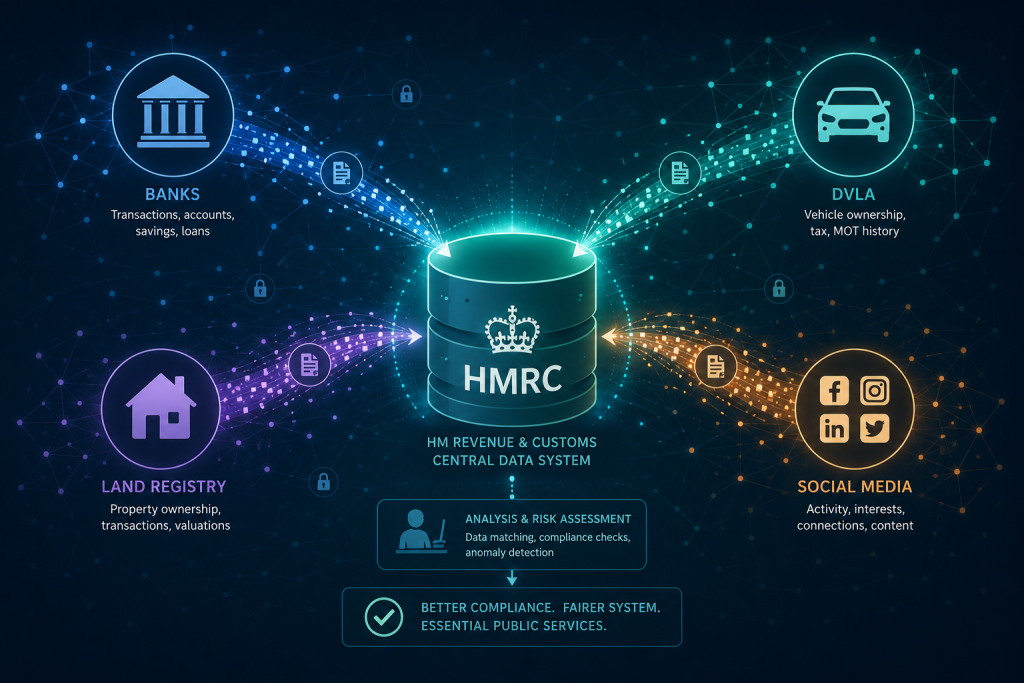
Bought a flashy car but reported a modest income? Connect notices. Sold goods on Vinted for years without declaring it? Connect notices that too. This single system is responsible for flagging a huge chunk of what triggers an HMRC investigation today — and it’s only getting smarter. Genuinely, the days of “they’ll never find out” are long gone.
Numbers That Don’t Quite Behave Themselves
Inconsistency is HMRC’s favourite word, whether they say it out loud or not. If your turnover jumps by 40% one year with no explanation, or your expenses suddenly balloon while income flatlines, that’s the kind of thing that gets a second look.
Some specific red flags include:
- Repeated losses — especially if you’re still trading comfortably and the owner seems to be living well
- Round numbers everywhere — genuine business expenses are rarely suspiciously tidy (£5,000 here, £10,000 there)
- Expenses that don’t match your industry — a hairdresser claiming massive travel costs, for instance
- A big gap between declared income and visible spending, like property purchases or holidays
None of these guarantee a tax investigation. But stacked together, they paint a picture — and HMRC loves a picture.
Late Filing, Late Payment, and That Nagging Feeling
Here’s something people underestimate: persistent lateness is itself a behavioural signal. One late submission? Probably fine, everyone has a bad year. But repeated late filing of Self Assessment or VAT returns suggests, to HMRC, a business that might not have its house in order generally — and where there’s smoke…
Late payment patterns matter too. If you’re consistently paying tax bills late or asking for time-to-pay arrangements while simultaneously claiming the business is thriving, that contradiction can be enough to prompt closer scrutiny.
Tip-Offs: The Uncomfortable Truth
Nobody likes to talk about this one, but it’s real. A meaningful proportion of investigations start because someone — an ex-employee, a disgruntled business partner, even a neighbour — picked up the phone to HMRC’s fraud hotline.
I won’t dwell on this too long because there’s nothing you can really do about a malicious tip-off except, well, not give anyone a reason to make one. Treat staff fairly, keep business dealings above board, and this particular trigger mostly takes care of itself.
Working in a “High-Risk” Sector
Some industries simply attract more attention than others, largely because HMRC has historically found higher rates of non-compliance there. Cash-heavy businesses sit at the top of this list: takeaways, taxi firms, hairdressers, market traders, and construction.
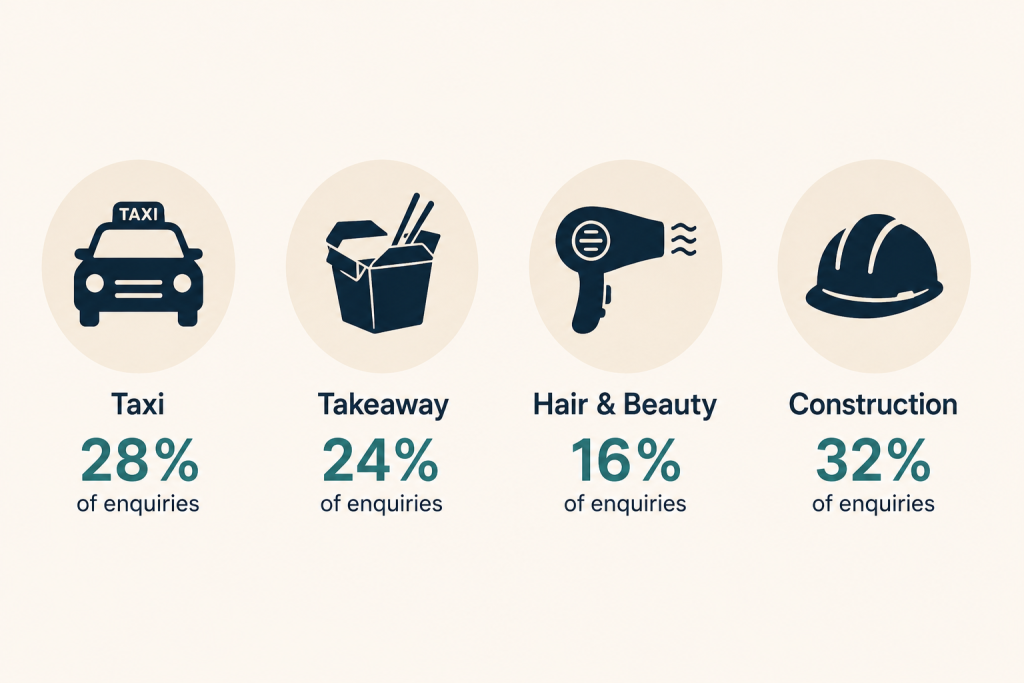
Speaking of construction — if you operate under the Construction Industry Scheme, getting your CIS deductions and refund claims right matters more than most people realise. Errors here are a well-known flag, partly because the figures are so easy to cross-check against subcontractor records.
VAT Returns: Where Small Errors Become Big Questions
VAT is its own beast. Repeatedly reclaiming VAT on items that look personal rather than business-related (cars, certain entertainment costs, anything that smells of “lifestyle”) tends to draw attention quickly.
So does a sudden deregistration just below the VAT threshold, or wild swings between VAT periods — one quarter you’re claiming a huge refund, the next you owe thousands. HMRC’s systems are particularly tuned to spot what triggers an HMRC investigation in the VAT space because, frankly, VAT fraud has historically cost the Treasury enormous sums.
The Random Element (Yes, Really)
I know, I know — after all that talk of clever algorithms, it feels almost insulting that some investigations are just… random. But it’s true. HMRC runs a certain number of enquiries each year purely to maintain what they call “deterrent effect” — basically, keeping everyone a little bit honest by ensuring nobody feels completely safe from scrutiny, however squeaky-clean their books.
There’s not much strategy to apply here beyond the obvious: keep good records anyway, because if the random envelope lands on your desk, you’ll want to be ready.
A Quick Comparison: Aspect Enquiries vs Full Enquiries
HMRC doesn’t investigate everything with the same intensity. Here’s how the two main types differ:
| Feature | Aspect Enquiry | Full Enquiry |
|---|---|---|
| Scope | One specific area (e.g. a single expense category) | Entire tax return, sometimes multiple years |
| Typical duration | A few weeks to a few months | Several months, sometimes over a year |
| Common cause | A single figure looks off (e.g. mileage claims) | Multiple red flags, suspected fraud, or tip-off |
| Letter from HMRC | Usually references the specific item | General request for records, broad in nature |
(And here’s a slightly imperfect second table — because, well, real spreadsheets are rarely perfect either)
| Trigger | How common | Risk level | Notes |
|---|---|---|---|
| Late filing | Very common | Medium — builds over time | repeat offenders flagged |
| Inconsistent figures | Common | High | esp. expenses vs income |
| Tip-offs | Less common but rising | Variable | depends entirely on substance |
| Random selection | Rare | Low | unavoidable, frankly |
Property, Rental Income, and the Section 24 Headache
If you’re a landlord, there’s a whole extra layer to think about. HMRC has run dedicated campaigns targeting undeclared rental income for years, and with Making Tax Digital for landlords on the horizon, the data trail is only getting clearer. Mismatches between mortgage interest relief claims (especially post Section 24) and actual figures are a known sore spot.
If property accounting feels like a moving target right now, it might be worth a read of how property accounting services can save you money on tax — it covers a lot of the landlord-specific quirks that don’t get talked about enough.
What Happens If You’re Selected Anyway?
So let’s say, despite everything, the letter arrives. Don’t panic — genuinely, panic is the worst response. HMRC investigations follow a fairly structured path, and there’s actually a useful breakdown of the five stages of a tax investigation that’s worth reading before you respond to anything.

The single biggest mistake I see? People responding to HMRC letters themselves, in a slight panic, without checking what they’re actually agreeing to. Sometimes a throwaway phrase in a letter can open doors HMRC didn’t even ask about.
How to Keep Your Risk Genuinely Low
Right, practical bit. None of this is rocket science, but consistency is everything:
- File on time, every time — even if you can’t pay yet
- Keep records that actually match your bank statements (sounds obvious; rarely done)
- Be cautious with round-number expenses — break them down properly
- Don’t deregister from VAT the moment you near the threshold, unless there’s a genuine reason
- If something changes dramatically year-on-year, note why — a simple memo can save you hours later
For ongoing peace of mind, a lot of clients find that proper bookkeeping services combined with regular tax compliance reviews catch the small inconsistencies before they ever become big ones. It’s the accounting equivalent of going to the dentist before the toothache starts.
Frequently Asked Questions
How far back can HMRC investigate? Typically four years for genuine mistakes, six years for careless errors, and a full twenty years where deliberate fraud is suspected. Yes, twenty — it’s a long memory.
Does an HMRC investigation mean I’m a suspect? Not necessarily. Plenty of enquiries are routine checks that close with “all fine, thanks.” Aspect enquiries especially are often just HMRC double-checking one figure.
Can I get insurance for what triggers an HMRC investigation? Yes — tax investigation insurance (sometimes called fee protection insurance) covers the professional costs of responding to an enquiry, regardless of the outcome.
What’s the most common HMRC investigation trigger for small businesses? Inconsistencies between declared income and lifestyle indicators, plus errors flagged through VAT returns, remain the most frequent causes.
Should I get an accountant involved immediately if HMRC contacts me? Generally, yes. Even a routine enquiry benefits from a second pair of eyes before anything gets sent back to HMRC.
The Bottom Line
Ultimately, what triggers an HMRC investigation usually comes down to one thing: a story your numbers tell that doesn’t quite match the story your life tells. Algorithms flag the gaps, humans review the flags, and from there it’s either a quick “thanks, all good” or something more involved.
If any of this has left you slightly uneasy about your own records — and honestly, a little healthy unease is no bad thing — a proper review never hurts. Ask Accountants UK Ltd at 178 Merton High St, London SW19 1AY offers everything from HMRC investigation support to self assessment and personal tax planning, and a quick chat on 020 8543 1991 costs nothing but might save you a great deal of stress down the line.